
Transform Your Life with Integrated Smart Home Systems
In today's fast-paced world, the concept of a smart home is no longer a futuristic dream but a reality that many homeowners are embracing. Integrated smart home systems offer a seamless way to enhance your living space, making it more convenient, efficient, and secure. Imagine controlling your lights, thermostat, security cameras, and even your coffee maker with just a few taps on your smartphone. This blog post will explore how these systems can transform your life, improve your home environment, and provide practical examples to help you make the most of this technology.

Understanding Integrated Smart Home Systems
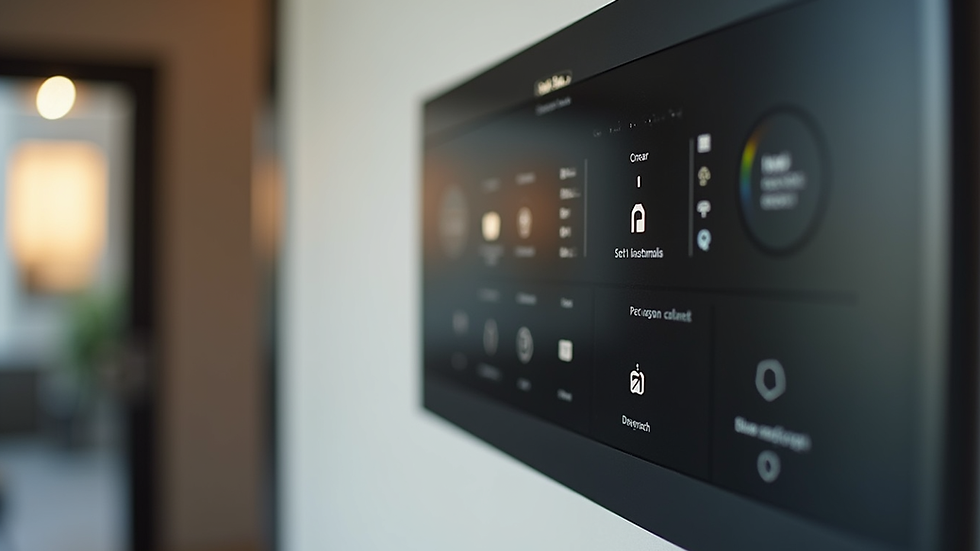
Integrated smart home systems refer to a network of devices that communicate with each other and can be controlled from a central hub or smartphone application. These systems can include:
Smart Lighting: Control the brightness and color of your lights remotely.
Smart Thermostats: Adjust your home's temperature based on your preferences and schedule.
Smart Security: Monitor your home with cameras and alarms that send alerts to your phone.
Smart Appliances: Operate your refrigerator, oven, and other appliances remotely.
The beauty of these systems lies in their ability to work together. For example, you can set your lights to turn on automatically when your smart lock detects that you are home. This integration not only enhances convenience but also improves energy efficiency and security.
Benefits of Smart Home Integration
Enhanced Convenience
One of the most significant advantages of integrated smart home systems is the convenience they offer. With everything connected, you can control your home environment from anywhere. Whether you are at work, on vacation, or simply lounging on the couch, you can manage your devices with ease.
Remote Access: Check on your home security cameras or adjust your thermostat from your smartphone.
Voice Control: Use voice assistants like Amazon Alexa or Google Assistant to control your devices hands-free.
Improved Energy Efficiency
Smart home systems can help you save on energy costs by optimizing your energy usage. For instance, smart thermostats learn your habits and adjust the temperature accordingly, ensuring that you are not heating or cooling an empty house.
Automated Schedules: Set your thermostat to lower the temperature when you leave for work and raise it before you return home.
Smart Lighting: Use motion sensors to turn off lights in unoccupied rooms automatically.
Enhanced Security
Security is a top priority for homeowners, and integrated smart home systems provide peace of mind. With smart security features, you can monitor your home in real-time and receive alerts if anything unusual occurs.
Smart Cameras: View live feeds from your security cameras on your smartphone.
Smart Locks: Lock and unlock your doors remotely, and receive notifications when someone enters or leaves your home.
Practical Examples of Smart Home Integration
To illustrate the benefits of integrated smart home systems, let's explore a few practical examples of how these technologies can be implemented in your home.
Example 1: The Morning Routine
Imagine waking up in the morning to a gentle increase in light as your smart blinds open automatically. Your smart coffee maker starts brewing your favorite blend, and the thermostat adjusts to your preferred morning temperature. All of this happens without you lifting a finger.
Smart Blinds: Program them to open at sunrise.
Smart Coffee Maker: Set it to start brewing at a specific time.
Example 2: Leaving Home
When you leave for work, a simple tap on your smartphone can activate your "Away" mode. This mode can turn off all lights, adjust the thermostat to save energy, and activate your security cameras.
Smart Security System: Automatically locks doors and activates cameras.
Energy Management: Adjusts appliances to reduce energy consumption.
Example 3: Entertaining Guests
Hosting a dinner party becomes a breeze with smart home integration. You can set the mood with smart lighting, play your favorite playlist through smart speakers, and even adjust the temperature for comfort—all from your smartphone or voice assistant.
Smart Speakers: Control music playback throughout your home.
Smart Lighting: Create a warm ambiance with dimmed lights.
Choosing the Right Smart Home System
With so many options available, selecting the right integrated smart home system can be overwhelming. Here are some factors to consider:
Compatibility
Ensure that the devices you choose are compatible with each other. Many systems work best when they are from the same brand or ecosystem. For example, Google Home devices work seamlessly with other Google products, while Amazon Alexa devices integrate well with the Amazon ecosystem.
User-Friendly Interface
Look for systems that offer an intuitive user interface. A well-designed app will make it easier for you to control your devices and customize settings.
Scalability
Choose a system that allows you to start small and expand as needed. This way, you can gradually add devices without feeling overwhelmed.
Installation and Setup
Setting up an integrated smart home system can vary in complexity depending on the devices you choose. Here are some general steps to follow:
Plan Your System: Determine which devices you want to include and how they will work together.
Install Devices: Follow the manufacturer's instructions for installing each device. Many smart devices are designed for easy DIY installation.
Connect to the Hub: If you are using a central hub, connect all devices to it according to the instructions.
Download the App: Install the corresponding app on your smartphone to control your devices.
Customize Settings: Set up schedules, routines, and preferences to tailor the system to your needs.
Maintaining Your Smart Home System
To ensure your integrated smart home system runs smoothly, regular maintenance is essential. Here are some tips:
Update Firmware: Keep your devices updated with the latest firmware to improve performance and security.
Check Connectivity: Regularly check that all devices are connected to your Wi-Fi network.
Test Security Features: Periodically test your security cameras and alarms to ensure they are functioning correctly.
The Future of Smart Homes
As technology continues to evolve, the future of smart homes looks promising. Innovations such as artificial intelligence and machine learning will enable even more advanced features, making homes smarter and more responsive to our needs.
Predictive Analytics: Future systems may learn your habits and anticipate your needs, adjusting settings automatically.
Interconnectivity: Devices will become even more integrated, allowing for seamless communication between different systems.
Final Thoughts
Integrated smart home systems offer a wealth of benefits that can transform your living space into a more convenient, efficient, and secure environment. By embracing this technology, you can enhance your daily life and enjoy the peace of mind that comes with a smart home. Whether you are just starting or looking to expand your existing system, the possibilities are endless.
Take the first step towards a smarter home today. Explore the options available, choose the devices that best suit your needs, and enjoy the convenience and security that integrated smart home systems can provide.

Comments